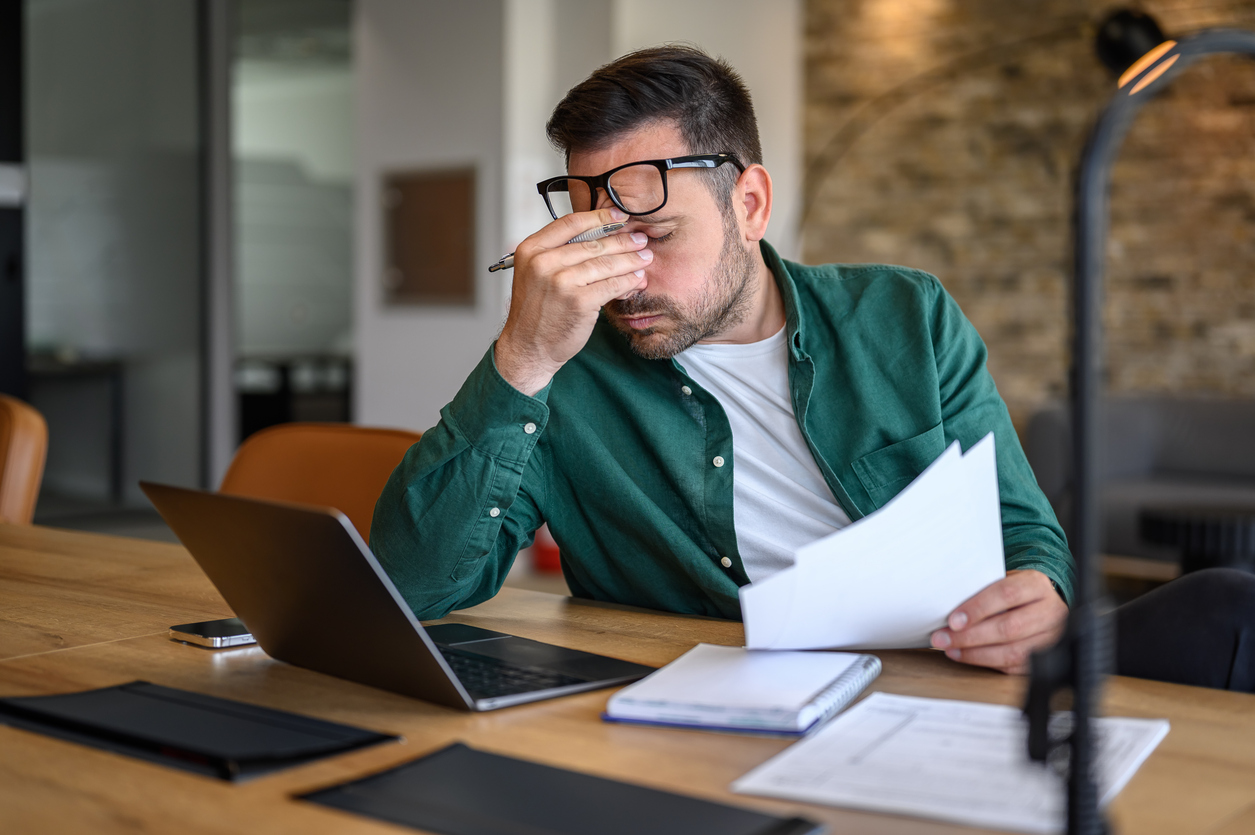

Can Stress Make Acne Worse? Understanding the Stress–Skin Connection
By Lucy Sugars, Nutritional Therapist
If you’ve ever noticed your skin breaking out during a particularly stressful period, you’re not necessarily imagining it.
Acne is a complex skin condition influenced by several factors, including hormones, genetics, sebum production, inflammation and the way skin cells behave within the pore. Stress doesn’t directly “cause” acne, but research suggests it may make existing acne worse in some people.
So what is the connection, and what can you realistically do about it?
The Relationship Between Stress and Acne
Several studies have found that acne severity can increase during periods of psychological stress.
Our skin isn’t separate from the rest of the body. It contains receptors and signalling pathways that respond to hormones and neuropeptides involved in the stress response. Researchers are continuing to explore how these pathways may influence inflammation, sebum production and other processes involved in acne.
This doesn’t mean that high cortisol automatically equals a breakout, or that reducing stress will clear acne. The relationship is much more complex than that.
But for some people, stress appears to be one of several factors that can influence how their acne behaves.
Stress Can Affect More Than the Skin
There are also some very practical reasons why stressful periods can coincide with worsening skin.
Sleep
Stress and poor sleep often go hand in hand.
A few disrupted nights won’t suddenly cause acne, but persistent poor sleep can affect general wellbeing, mood and our ability to maintain the routines that help us feel well.
When you’re exhausted, cooking balanced meals, exercising, keeping up with skincare and generally looking after yourself can understandably become more difficult.
Eating Patterns
Stress can change the way we eat.
Some people lose their appetite, while others find themselves reaching more frequently for convenient or highly palatable foods. Meals may become irregular or less varied simply because there isn’t the time or energy to prepare them.
Rather than worrying about eating a “perfect” diet during stressful periods, I prefer to concentrate on keeping a few basics in place: regular meals where possible, a source of protein, plenty of plant foods and adequate hydration.
Touching and Picking the Skin
Skin picking can also increase during periods of stress or anxiety, sometimes without us even realising we’re doing it.
Picking, squeezing and repeatedly touching spots can increase irritation and inflammation and raise the risk of post-inflammatory marks and scarring.
If you know this is something you do when stressed, simply becoming aware of the pattern can be useful.
Does Stress Affect the Gut and Cause Acne?
You’ll often see a very simple chain described online:
Stress → poor gut health → inflammation → acne
In reality, the relationship isn’t nearly that straightforward.
There is fascinating research into communication between the gut, brain and skin, and psychological stress can influence gastrointestinal function and the gut microbiome. However, we don’t currently have enough evidence to say that stress causes a “leaky gut”, which then causes acne.
The gut–skin relationship is an interesting and developing area of research, but it shouldn’t be used to explain every breakout.
What Can You Do If Stress Seems to Affect Your Skin?
You don’t need an elaborate wellness routine or a cupboard full of supplements.
If life is particularly stressful, focus on simple things that support your overall health and are genuinely achievable.
Protect Your Sleep Where You Can
A consistent bedtime and wake time, reducing late-night screen use and creating a calmer wind-down routine may help improve sleep.
If sleep problems are persistent or significantly affecting your wellbeing, speak to your GP rather than relying on supplements to solve the problem.
Keep Meals Simple
Stressful periods aren’t necessarily the time to embark on a complicated diet.
Think about easy meals built around:
A source of protein
Vegetables or fruit
Fibre-rich carbohydrates
Healthy fats
Eggs on wholegrain toast, Greek yoghurt with fruit and seeds, soup with good bread and a protein-rich topping, or a simple chicken, fish, tofu or bean-based dinner can all provide plenty of nourishment without requiring hours in the kitchen.
Move Your Body
Physical activity can be helpful for stress, sleep and overall health.
It doesn’t have to mean an intense workout. Walking, gardening, swimming, yoga or simply getting outside can all count.
Choose something you actually enjoy and are likely to continue.
Find Small Ways to Switch Off
Stress management doesn’t need to become another item on your to-do list.
Reading, spending time outside, listening to music, taking a bath, seeing friends, breathing exercises or simply having some uninterrupted time alone can all help.
The important thing is finding something that genuinely feels restorative to you.
Get Topical Support
Using a gentle cleanser, moisturiser and SPF that are non comedogenic and don’t break you out is a must. Then gently layering on some skin care with specific anti acne properties like retinol or azeleaic acid can be helpful, although I’d suggest getting professional advice where possible.
Don’t Blame Yourself for Your Skin
One thing I think is particularly important when talking about stress and acne is avoiding the suggestion that people simply need to “stress less” to clear their skin.
Acne is a medical skin condition. You haven’t caused it by being stressed, and relaxation techniques aren’t a substitute for appropriate acne treatment.
If stress appears to make your acne worse, managing it can form one part of a much broader approach alongside appropriate skincare, medical treatment where needed, nutrition and other relevant lifestyle factors.
The Bigger Acne Picture
When I work with someone experiencing acne, I don’t look for a single “root cause”.
Instead, I consider the different factors that may be contributing to their individual picture. Depending on the person, these might include:
- Hormonal influences
- Overall dietary pattern
- Blood sugar and glycaemic load
- Individual food triggers
- Skincare and topical products
- Medications
- Stress and sleep
- Skin picking
- Wider health and symptoms
Not every factor will be relevant to every person.
That’s why I’m wary of claims that one food, one supplement or one lifestyle change will “fix” acne.
The Bottom Line
Can stress make acne worse? For some people, it appears that it can.
Research suggests an association between psychological stress and acne severity, and stress can also affect sleep, eating patterns and behaviours such as skin picking.
But stress is only one potential piece of a much larger puzzle.
Rather than trying to “balance cortisol” or eliminate stress entirely, focus on realistic ways to look after yourself during demanding periods while continuing with appropriate skincare and medical treatment where needed.
If you would like personalised nutrition support that considers your skin alongside your wider health, diet and lifestyle, you can find out more about my approach on the Bespoke Nutrition page.
