
A Gentle Guide To Adding In Habits That Actually Stick.
By Lucy Sugars, Nutritional Therapist
January arrives with its familiar wave of “New Year, New You”, and suddenly it can feel as though we’re expected to give everything up at once; alcohol, carbs, sugar, meat, snacks, chocolate, coffee… sometimes all in the same breath.
But here’s the truth: most bodies don’t thrive under restriction. They thrive under support.
After the hormonal shifts of our 40s and 50s; lower oestrogen, slower recovery, more sensitive blood sugar regulation, and changes in gut motility, an “all-or-nothing” approach often backfires. It’s punishing, unrealistic, and more likely to leave you feeling worse rather than better.
So this year, instead of depriving yourself, what if you focused on building habits that actually stick, not because they require endless willpower, but because they genuinely feel good?
January doesn’t have to feel like punishment. You don’t need a detox. You don’t need to give up everything you enjoy. And you certainly don’t need to overhaul your entire life overnight.
Instead, try granting yourself a little kindness and shifting the focus from taking things away to gently adding things in. This approach is steadier, more sustainable, and far more effective.
Start by choosing just two or three small habits — ones that feel doable, supportive, and realistic. Read on to see some of the simple additions I use with clients…
1. Don’t Cut Things Out, Add Things In
This is one of the most powerful mindset shifts in making changes to your nutrition.
Restriction feels like punishment. Addition feels like support. Your brain will naturally respond better, and be more likely to stick to adding something int your diet than taking something away. Changing “I can’t have…” to “I am going to include” or “I am choosing” works much more effectively as your brain responds better to restriction.
Instead of:
❌ “I must stop drinking wine.”
Try: ✔ “I’ll find one alcohol free drink I really enjoy in the evenings.”
❌ “I need to cut out carbs.”
Try: ✔ “I’ll add a portion of vegetables or salad to my meals.”
❌ “I’m giving up sugar.”
Try: ✔ “I’ll have a protein rich breakfast so cravings reduce naturally.” Or ” I’ll add a piece of fruit after dinner to bump up fibre and give me some natural sweetness.”
Your brain, gut, and hormones respond far better to adding than subtracting. If you’ve been living off Quality street and mince pies most days in December, not having any sugar in January can feel a bit brutal! Having something like fruit after dinner can be a nice way of feeding your reward system. It doesn’t have to be cold either; try warm poached pears, stewed apple with cinnamon and yoghurt, roasted fig with a little honey & yoghurt, pan fried banana with a square of dark chocolate. They feel indulgent and comforting but infinitely better for your health and waist line than cruising through any remaining Christmas chocolate.
2. Add One Extra Glass of Water a Day
Hydration drops off for most people in winter, especially when heating is blasting and cold drinks feel unappealing.
Start with ONE small habit:
• one extra glass of water with lunch
• or a warm herbal tea in the afternoon
• or water before your morning coffee (I challenge myself to drink a glass as the kettle boils).
Small hydration steps help:
• energy
• digestion
• headaches
• joint comfort
• concentration
• hot flush regulation for menopausal ladies
Not glamorous, but incredibly effective.
3. Find an Evening Alcohol Free Drink You Genuinely Like
Dry January can feel extreme, especially after a social December.
A far more sustainable approach is: swap, don’t stop.
Explore:
• alcohol-free gin + tonic
• kombucha in a fancy glass
• non-alcoholic sparkling rosé
• ginger & blood orange cordial with soda
• aromatic herbal teas (chamomile, verbena, rose)
The aim isn’t perfection, it’s breaking the automatic “wine o’clock” loop and giving your liver and sleep a breather.
One or two alcohol free nights a week is already a win if you were drinking daily in December, or enjoying a g&t on a Friday and keeping the rest of the week alcohol free. You’re more likely to stick with reduction if it doesn’t feel all or nothing.
4. Start a Gentle Daily Walk (10-20 Minutes Counts)
You don’t need a new gym membership, a Peloton, or a punishing routine.
The most effective form of movement for heart health, weight loss, bone health? Walking.
Benefits:
• lowers blood pressure
• steadies blood sugar
• boosts mood
• improves sleep
• reduces anxiety
• supports healthy weight
• supports lymphatic and gut motility
• protects bone density (weight-bearing movement)
Start small, just 10 minutes a day can make a difference, and gradually build up, rather than diving straight into an hour long walk and risking burnout during a busy week. Consistency is what really helps it stick.
Walking after meals, like a quick dog walk after breakfast or dinner, can support blood sugar regulation. But the key is finding what fits naturally into your life and schedule so you actually do it. This could be meeting a friend for a walk and coffee instead of a drink, walking into town rather than driving, or enjoying a longer stroll after Sunday lunch each week. Some people find smartwatches or step counters motivating, while others don’t, so they aren’t essential, what matters most is finding what works for you.
5. Upping Your Protein (Without Feeling Like a Bodybuilder)
Protein is vital in midlife; for muscle, metabolism, mood, and blood sugar. But most people don’t get anywhere near enough. You don’t need powders (although I love a bit of collagen powder) or crazy meals — just simple upgrades.
Easy ways to add protein:
• Greek yoghurt instead of regular yoghurt
• add cottage cheese to salads or baked potatoes
• add chickpeas or lentils to soups
• have eggs + something (spinach, feta, tomatoes) – think a nice frittata or veggie scramble
• choose a roasted chicken portion + veg for lunches
• keep cooked prawns for quick stir-fries
• add tofu or tempeh cubes to evening meals
• spread hummus on toast before toppings
• add nuts/seeds to porridge
Aiming for 20-30g per meal makes a huge difference to:
• cravings
• energy
• stable mood
• easier weight maintenance
• perimenopause symptoms
• recovery
This is the opposite of deprivation, it’s nourishment.
6. Prep Your Lunches for 2-3 Days at a Time
This is one of the most life changing midlife habits because it removes decision fatigue.
Instead of grabbing something random at 2pm, you have something balanced ready to go.
Some of the best easy batch options:
✔ Frittata
Protein-rich, keeps beautifully, pairs with salad, can be eaten hot or cold. I like broccoli, leek and cheddar, or a roasted butternut squash, red onion and feta frittata.
✔ A nourishing soup
Lentil, roasted tomato, miso-chicken, carrot & ginger, white bean & lemon…
Add boiled eggs or leftover chicken for protein. Have a look at my soup recipes in my blog section for some simple recipes.
✔ A simple grain bowl base
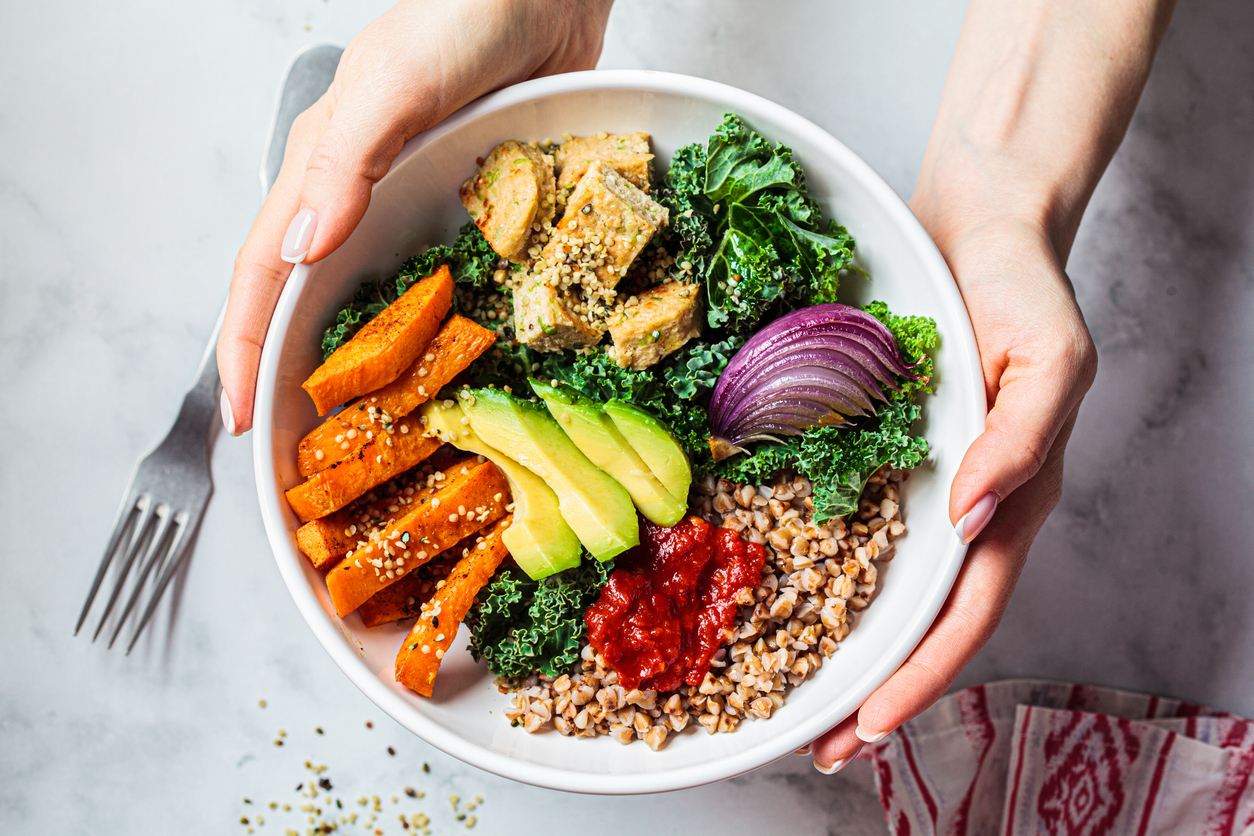
Cook quinoa or brown rice, add roasted veg + chickpeas, keep in the fridge.
Just prepping lunches for two days massively reduces overeating in the evening.
7. Learn Two New Legume Recipes (Hello Fibre!)
Fibre needs increase in midlife for gut health, hormones, cholesterol and blood sugar.
January isn’t the month to cut carbs, it’s the month to add legumes.
Ideas to try:
• chickpea & spinach curry
• lentil soup
• black bean tacos
• harissa roasted chickpeas on salads
• white bean & rosemary mash
• lentil shepherd’s pie
• butter bean stew with lemon & garlic
If you learn just TWO new recipes this month, you’re more likely to carry on making them all year.
8. Focus on Habits You Can Keep in February, Not Just January
If a habit requires excessive willpower, it’s not the right habit.
Midlife health thrives on:
• gentle consistency
• small steps
• nourishment
• stress reduction
• stabilising blood sugar
• adding colour, protein, fibre
• pleasure, joy, and balance
Choose the behaviours your February self can still manage.
If you’d like a personalised approach to your health, and want to look at making changes that work for you, do get in touch for an appointment.
